Qing hair style Ideas
Home » Trend » Qing hair style IdeasYour Qing hair style images are ready in this website. Qing hair style are a topic that is being searched for and liked by netizens now. You can Download the Qing hair style files here. Get all royalty-free photos and vectors.
If you’re looking for qing hair style images information related to the qing hair style topic, you have come to the ideal site. Our website always provides you with suggestions for refferencing the highest quality video and image content, please kindly hunt and find more informative video content and images that match your interests.
Qing Hair Style. Liangbatou is a hairstyle/headdress worn by manchu women. The queue was a specific male hairstyle worn by the manchu people from central manchuria and later imposed on the han chinese during the qing dynasty. This was all true until the qing dynasty, whereupon people then had to follow a new set of rules for their hair that was completely different to before. After the manchus defeated the ming dynasty army in the seventeenth century, the ming dynasty fell and transitioned to the qing dynasty, china’s final imperial dynasty.
 Women�s clothing of the Qing Dynasty Actresses and From pinterest.com
After the manchus defeated the ming dynasty army in the seventeenth century, the ming dynasty fell and transitioned to the qing dynasty, china’s final imperial dynasty. The queue was a specific male hairstyle worn by the manchu people from central manchuria and later imposed on the han chinese during the qing dynasty. Queue (hairstyle) the queue (sometimes spelt cue) was a specific male hairstyle worn by the manchus from central manchuria and later imposed on the han chinese during the qing dynasty. Since the hair style is pretty unique for the ethics of man in qing dynasty, the difference only remains in the size of the back decor on your hair. See more ideas about qing dynasty hairstyles, chinese hairstyle, qing dynasty. The queue was a specific male hairstyle worn by the manchu people from central manchuria and later imposed on the han chinese during the qing dynasty.
When the revolution of 1911 overthrew the qing, clipping of the queue was an easy way to demonstrate where one’s loyalty lay, but the chaos of the era could be seen in hairstyle choices as well.
The queue was a specific male hairstyle worn by the manchu people from central manchuria and later imposed on the han chinese during the qing dynasty. Since the hair style is pretty unique for the ethics of man in qing dynasty, the difference only remains in the size of the back decor on your hair. The most typical one is the “liangbatou”: This simple, everyday hairstyle was favoured by empresses, princesses and other women in the palace in the early decades of the qing dynasty, reflecting the austerity of that period when minority. Queue (hairstyle) the queue (sometimes spelt cue) was a specific male hairstyle worn by the manchus from central manchuria and later imposed on the han chinese during the qing dynasty. A queue or cue is a hairstyle that was worn by the jurchen and manchu peoples of manchuria, and was later required to be worn by male subjects of qing china.
 Source: pinterest.jp
Since the hair style is pretty unique for the ethics of man in qing dynasty, the difference only remains in the size of the back decor on your hair. The promotion of the “change manchu hairstyle, change the manchu clothing” policy made the qing dynasty’s costume and han traditional costume very different, abolished the ming dynasty’s crown, gowns, and all han costumes, but the manchu costume at the same time absorbing the textured patterns of ming dynasty clothing. Since the hair style is pretty unique for the ethics of man in qing dynasty, the difference only remains in the size of the back decor on your hair. Fake queues were for sale to help men navigate the shifting political sands. This was all true until the qing dynasty, whereupon people then had to follow a new set of rules for their hair that was completely different to before.
 Source: nl.pinterest.com
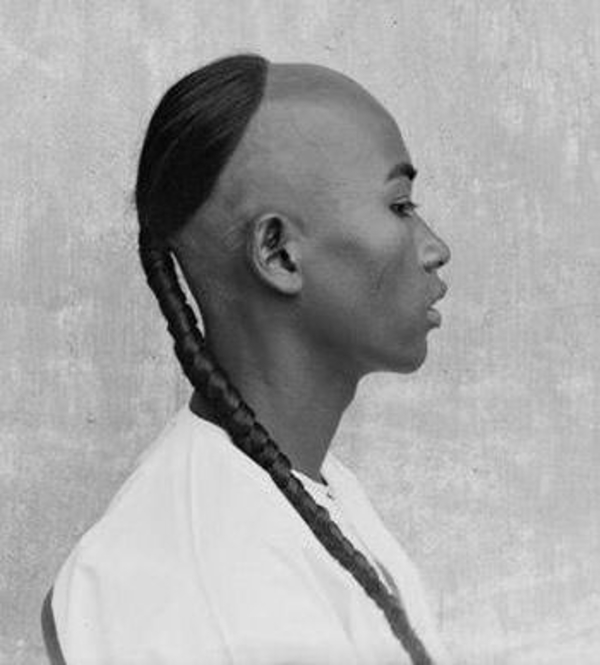
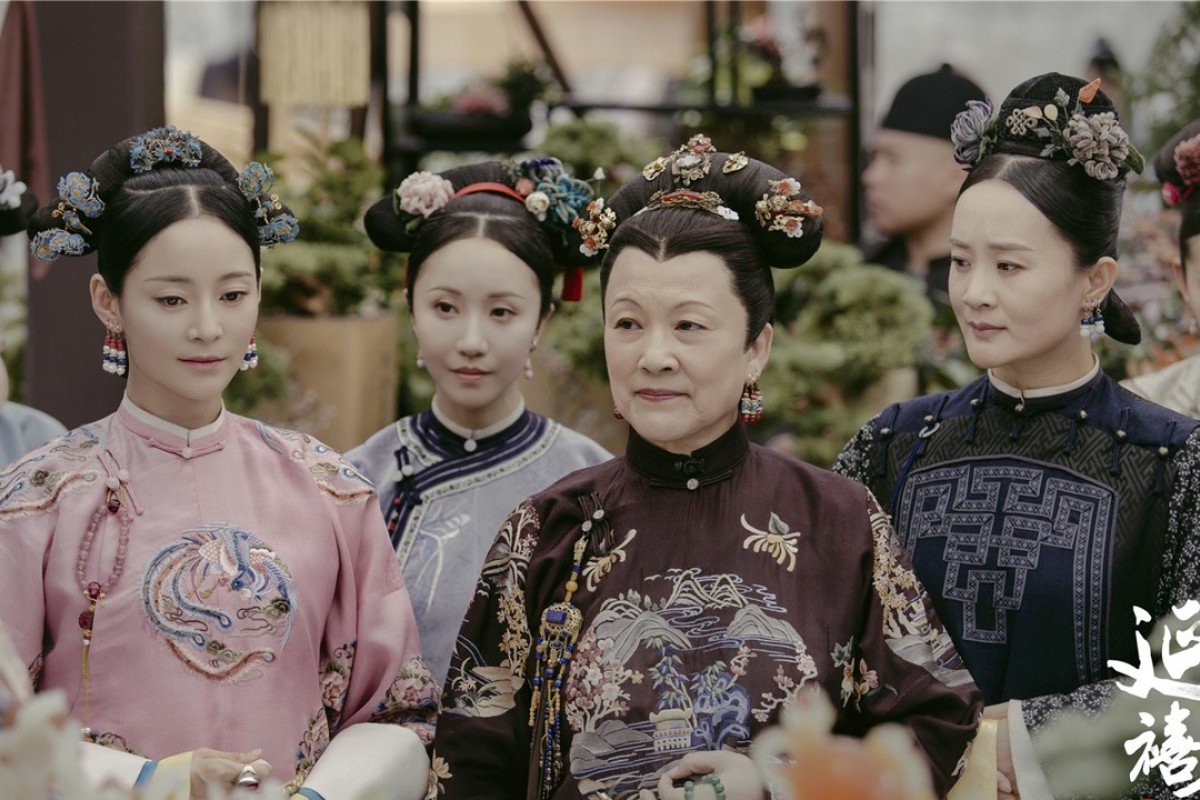
The hairstyle consisted of the hair on the front of the head being shaved off above the temples every ten days and the rest of the hair braided into a long ponytail. The hairstyle consisted of the hair on the front of the head being shaved off above the temples every ten days and the rest of the hair braided into a long ponytail. Liangbatou was made famous by empress dowager cixi and her manchu court ladies, becoming popular and evolving starting from the qing dynasty through. The hairstyle of qing dynasty aristocratic women is more representative. Manchus thought the pigtail is where the true soul.
 Source: yqqlm.com
The hairstyle consisted of the hair on the front of the head being shaved off above the temples every ten days and the rest of the hair braided into a long ponytail. In this hairstyle, the front and sides are shaved, and the rest of the hair is gathered up and plaited into a long braid that hangs down the back. Liangbatou was made famous by empress dowager cixi and her manchu court ladies, becoming popular and evolving starting from the qing dynasty through. Hair on top of the scalp is grown long and is often braided, while the front portion of the head is shaved. Manchus thought the pigtail is where the true soul.
 Source: pinterest.co.uk
The hairstyle consisted of the hair on the front of the head being shaved off above the temples every ten days and the rest of the hair braided into a long ponytail. This was all true until the qing dynasty, whereupon people then had to follow a new set of rules for their hair that was completely different to before. Liangbatou is a hairstyle/headdress worn by manchu women. In the early qing dynasty, most of the qi women’s styling is wrapped head, pan head, to the middle and late appear we are familiar with like yi zi tou (一字头), liang ba tou (两把头), qi tou (旗头) such as the court styling. Fake queues were for sale to help men navigate the shifting political sands.
 Source: pinterest.com
Manchus thought the pigtail is where the true soul. This hairstyle is called “qitou” (hair of the manchu nobility) or. For young girls and young women, they wore a single ponytail behind them and wound the end with a red cord and arranged the front of their hair into bangs. Liangbatou was made famous by empress dowager cixi and her manchu court ladies, becoming popular and evolving starting from the qing dynasty through. This simple, everyday hairstyle was favoured by empresses, princesses and other women in the palace in the early decades of the qing dynasty, reflecting the austerity of that period when minority.
 Source: yqqlm.com
In this hairstyle, the front and sides are shaved, and the rest of the hair is gathered up and plaited into a long braid that hangs down the back. The queue was a specific male hairstyle worn by the manchu people from central manchuria and later imposed on the han chinese during the qing dynasty. This simple, everyday hairstyle was favoured by empresses, princesses and other women in the palace in the early decades of the qing dynasty, reflecting the austerity of that period when minority. The queue was a specific male hairstyle worn by the manchu people from central manchuria and later imposed on the han chinese during the qing dynasty. The most typical one is the “liangbatou”:
 Source: in.pinterest.com
It describes the structure of each administrative institution of the cental and the local governments, and. For young girls and young women, they wore a single ponytail behind them and wound the end with a red cord and arranged the front of their hair into bangs. This hairstyle is called “qitou” (hair of the manchu nobility) or. When the revolution of 1911 overthrew the qing, clipping of the queue was an easy way to demonstrate where one’s loyalty lay, but the chaos of the era could be seen in hairstyle choices as well. Hair on top of the scalp is grown long and is often braided, while the front portion of the head is shaved.
 Source: oddee.com
The hairstyle of qing dynasty aristocratic women is more representative. In the early qing dynasty, most of the qi women’s styling is wrapped head, pan head, to the middle and late appear we are familiar with like yi zi tou (一字头), liang ba tou (两把头), qi tou (旗头) such as the court styling. The hairstyle consisted of the hair on the front of the head being shaved off above the temples every ten days and the rest of the hair braided into a long ponytail. Liangbatou is a hairstyle/headdress worn by manchu women. [3] a year later, after the qing armies reached south china, on july 21, 1645, dorgon issued an edict ordering all han men to shave their foreheads and braid the rest of their hair into a queue identical to those worn by the manchus.
 Source: pinterest.com
The most typical one is the “liangbatou”: [3] a year later, after the qing armies reached south china, on july 21, 1645, dorgon issued an edict ordering all han men to shave their foreheads and braid the rest of their hair into a queue identical to those worn by the manchus. Liangbatou is a hairstyle/headdress worn by manchu women. The queue was a specific male hairstyle worn by the manchu people from central manchuria and later imposed on the han chinese during the qing dynasty. Liangbatou was made famous by empress dowager cixi and her manchu court ladies, becoming popular and evolving starting from the qing dynasty through.
 Source: pinterest.com
When the revolution of 1911 overthrew the qing, clipping of the queue was an easy way to demonstrate where one’s loyalty lay, but the chaos of the era could be seen in hairstyle choices as well. Liangbatou was made famous by empress dowager cixi and her manchu court ladies, becoming popular and evolving starting from the qing dynasty through. The queue is a manchu hairstyle characterized by a shaved front portion and a distinctive tail of braided hair hanging down the back. After the manchus defeated the ming dynasty army in the seventeenth century, the ming dynasty fell and transitioned to the qing dynasty, china’s final imperial dynasty. For several hundred years, between the 1600s and the early 20th century, men in china wore their hair in what is called a queue.
Source: pinterest.com
The hairstyle consisted of the hair on the front of the head being shaved off above the temples every ten days and the rest of the hair braided into a long ponytail. Fake queues were for sale to help men navigate the shifting political sands. Liangbatou is a hairstyle/headdress worn by manchu women. The promotion of the “change manchu hairstyle, change the manchu clothing” policy made the qing dynasty’s costume and han traditional costume very different, abolished the ming dynasty’s crown, gowns, and all han costumes, but the manchu costume at the same time absorbing the textured patterns of ming dynasty clothing. Manchus thought the pigtail is where the true soul.
 Source: ambitiouscherry.blogspot.com
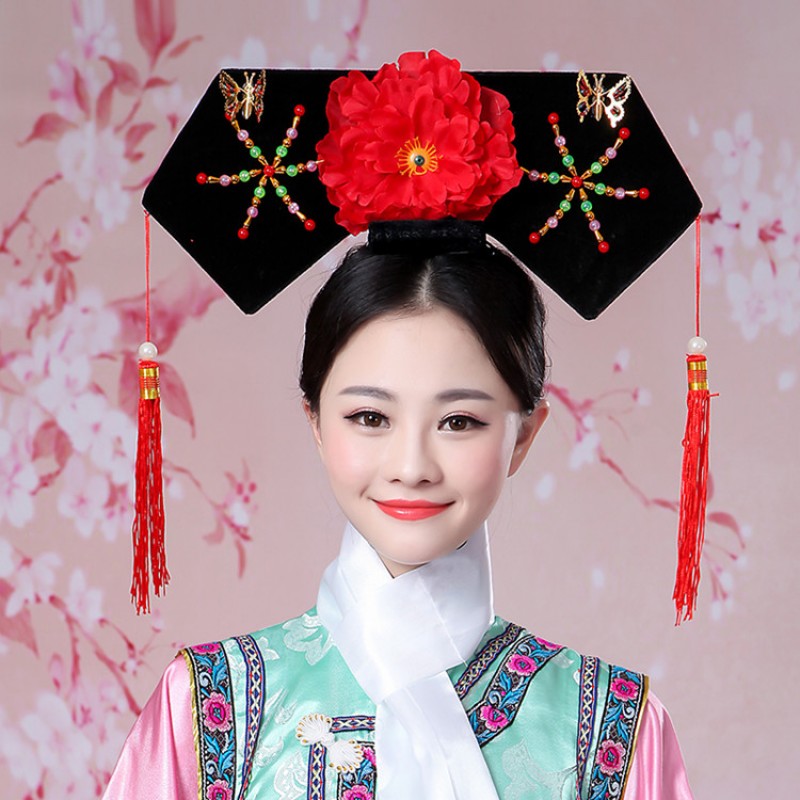
The promotion of the “change manchu hairstyle, change the manchu clothing” policy made the qing dynasty’s costume and han traditional costume very different, abolished the ming dynasty’s crown, gowns, and all han costumes, but the manchu costume at the same time absorbing the textured patterns of ming dynasty clothing. The queue was a specific male hairstyle worn by the manchu people from central manchuria and later imposed on the han chinese during the qing dynasty. Liangbatou is a hairstyle/headdress worn by manchu women. It is a tall headdress that features two handfuls of hair, parted to each side of the head, sometimes with the addition of wire frames, extensions and ornamentation. Manchus thought the pigtail is where the true soul.
 Source: quora.com
For young girls and young women, they wore a single ponytail behind them and wound the end with a red cord and arranged the front of their hair into bangs. The promotion of the “change manchu hairstyle, change the manchu clothing” policy made the qing dynasty’s costume and han traditional costume very different, abolished the ming dynasty’s crown, gowns, and all han costumes, but the manchu costume at the same time absorbing the textured patterns of ming dynasty clothing. The queue is a manchu hairstyle characterized by a shaved front portion and a distinctive tail of braided hair hanging down the back. Fake queues were for sale to help men navigate the shifting political sands. In the early qing dynasty, most of the qi women’s styling is wrapped head, pan head, to the middle and late appear we are familiar with like yi zi tou (一字头), liang ba tou (两把头), qi tou (旗头) such as the court styling.
 Source: neatorama.com
Liangbatou is a hairstyle/headdress worn by manchu women. For several hundred years, between the 1600s and the early 20th century, men in china wore their hair in what is called a queue. The queue was a specific male hairstyle worn by the manchu people from central manchuria and later imposed on the han chinese during the qing dynasty. A queue or cue is a hairstyle that was worn by the jurchen and manchu peoples of manchuria, and was later required to be worn by male subjects of qing china. Queue (hairstyle) the queue (sometimes spelt cue) was a specific male hairstyle worn by the manchus from central manchuria and later imposed on the han chinese during the qing dynasty.
 Source: wholesaledancedress.com
The hairstyle consisted of the hair on the front of the head being shaved off above the temples every ten days and the rest of the hair braided into a long ponytail. It describes the structure of each administrative institution of the cental and the local governments, and. For young girls and young women, they wore a single ponytail behind them and wound the end with a red cord and arranged the front of their hair into bangs. Since the hair style is pretty unique for the ethics of man in qing dynasty, the difference only remains in the size of the back decor on your hair. [3] a year later, after the qing armies reached south china, on july 21, 1645, dorgon issued an edict ordering all han men to shave their foreheads and braid the rest of their hair into a queue identical to those worn by the manchus.
 Source: lovingbohr.blogspot.com
Manchus thought the pigtail is where the true soul. The promotion of the “change manchu hairstyle, change the manchu clothing” policy made the qing dynasty’s costume and han traditional costume very different, abolished the ming dynasty’s crown, gowns, and all han costumes, but the manchu costume at the same time absorbing the textured patterns of ming dynasty clothing. For young girls and young women, they wore a single ponytail behind them and wound the end with a red cord and arranged the front of their hair into bangs. When the revolution of 1911 overthrew the qing, clipping of the queue was an easy way to demonstrate where one’s loyalty lay, but the chaos of the era could be seen in hairstyle choices as well. Fake queues were for sale to help men navigate the shifting political sands.
 Source: yqqlm.com
Liangbatou is a hairstyle/headdress worn by manchu women. Liangbatou is a hairstyle/headdress worn by manchu women. For several hundred years, between the 1600s and the early 20th century, men in china wore their hair in what is called a queue. A queue or cue is a hairstyle that was worn by the jurchen and manchu peoples of manchuria, and was later required to be worn by male subjects of qing china. The promotion of the “change manchu hairstyle, change the manchu clothing” policy made the qing dynasty’s costume and han traditional costume very different, abolished the ming dynasty’s crown, gowns, and all han costumes, but the manchu costume at the same time absorbing the textured patterns of ming dynasty clothing.
 Source: lovingbohr.blogspot.com
The hairstyle consisted of the hair on the front of the head being shaved off above the temples every ten days and the rest of the hair braided into a long ponytail. [3] a year later, after the qing armies reached south china, on july 21, 1645, dorgon issued an edict ordering all han men to shave their foreheads and braid the rest of their hair into a queue identical to those worn by the manchus. The hairstyle consisted of the hair on the front of the head being shaved off above the temples every ten days and the rest of the hair braided into a long ponytail. The queue was a specific male hairstyle worn by the manchu people from central manchuria and later imposed on the han chinese during the qing dynasty. This hairstyle is called “qitou” (hair of the manchu nobility) or.
This site is an open community for users to do submittion their favorite wallpapers on the internet, all images or pictures in this website are for personal wallpaper use only, it is stricly prohibited to use this wallpaper for commercial purposes, if you are the author and find this image is shared without your permission, please kindly raise a DMCA report to Us.
If you find this site convienient, please support us by sharing this posts to your own social media accounts like Facebook, Instagram and so on or you can also save this blog page with the title qing hair style by using Ctrl + D for devices a laptop with a Windows operating system or Command + D for laptops with an Apple operating system. If you use a smartphone, you can also use the drawer menu of the browser you are using. Whether it’s a Windows, Mac, iOS or Android operating system, you will still be able to bookmark this website.
Category
Related By Category
- New hair style pic boy 2018 Ideas
- Over 70 hair styles information
- Short african american hair styles Ideas
- Mullet hair style Ideas
- Short bob style haircut no maintenance for wavy hair Ideas
- The 100 inspired hair styles Ideas
- Womens formal hair styles 4 inch hair shaved sides information
- Short bob style hair cuts information
- Mens hair style names Ideas
- The sims hair styles information